How Regular Roof Inspections Save You from Costly Repairs
Why a Small Check Now Can Prevent Big Problems Later
Your roof is your home's first shield against the weather. It takes the brunt of sun, rain, wind, and heat every single day. Over time, even the toughest roofing materials start to wear. The difference between a minor fix and a major replacement often comes down to one thing: catching the damage early. That is where a thorough look at your roof makes all the difference. Instead of waiting for a leak to show up on your ceiling, a planned check helps you spot trouble before it escalates.
What a Roof Inspection Actually Involves
A proper examination is not just a quick glance from the ground. It means getting up close to look at the shingles, the flashing around chimneys and vents, the gutters, and the valleys where water runs off. An inspector checks for loose or missing shingles, cracked sealant, rusted flashing, and any signs that water has found a way in. They also look at the roof deck from the attic side, searching for stains, rot, or mold that indicate a slow leak. The goal is to identify all the weak points while they are still small problems.
One of the most common issues is blocked drainage. Leaves, twigs, and debris pile up in gutters and valleys, causing water to back up under the shingles. That standing water can rot the deck and invite moss growth and algae staining. A simple clearing during a roof inspection keeps the water flowing off the roof as it should. Another frequent find is loose flashing around chimneys and skylights. That metal or rubber strip is meant to seal the gap between the roof and the penetration, but over time it can pull away, leaving a gap for rain to enter.
How Problems Start and Grow
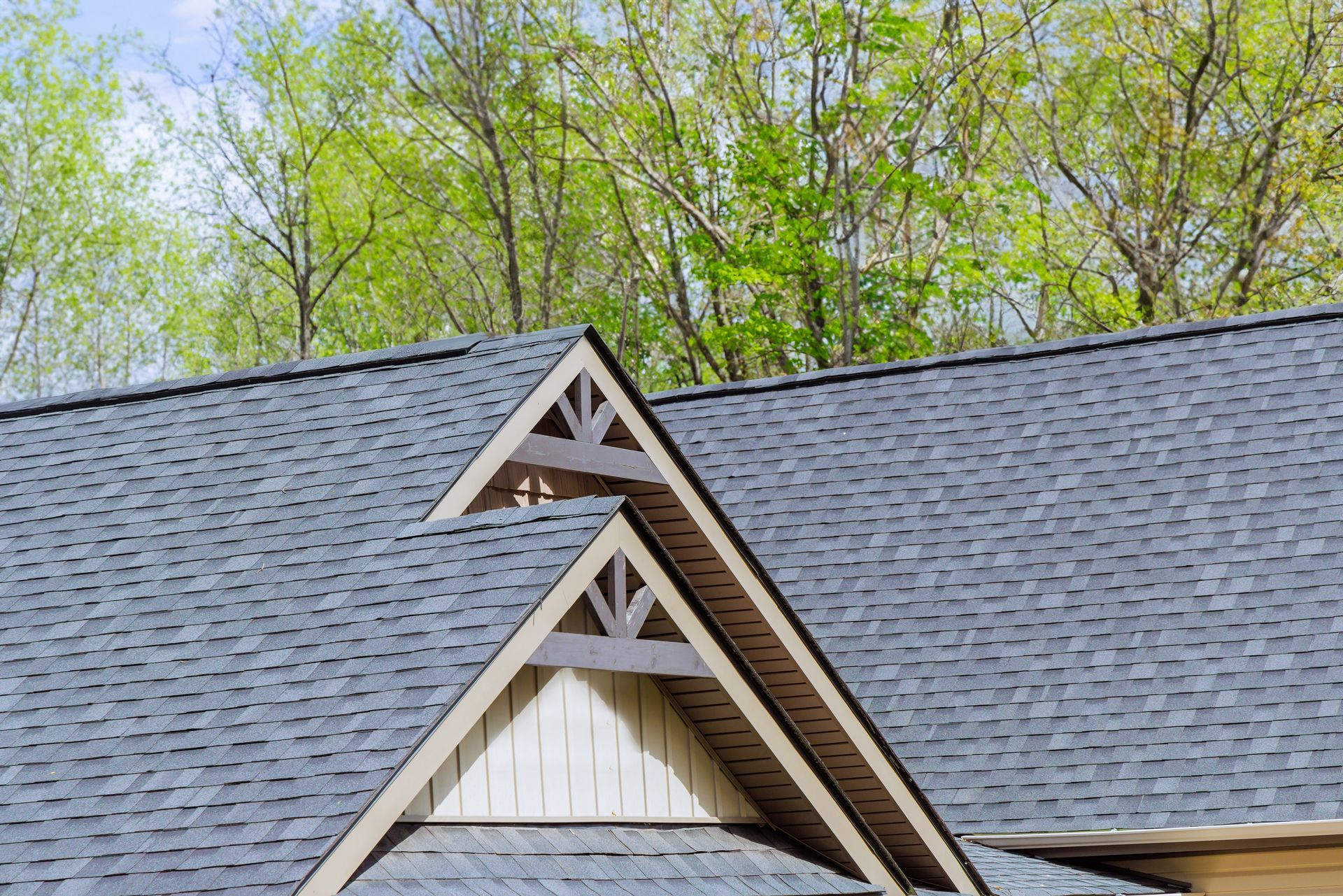
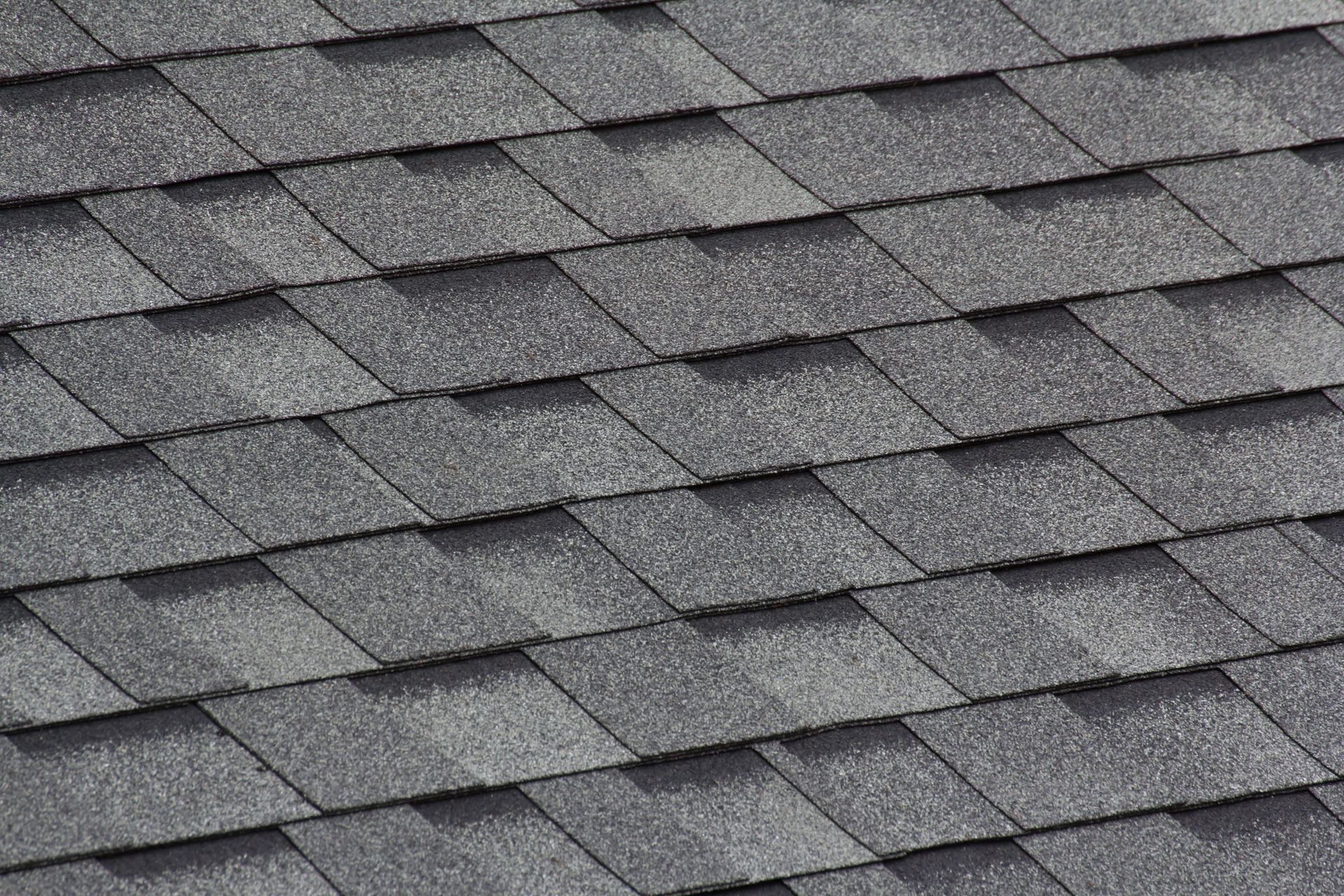
Roofing materials are durable, but they are not indestructible. Asphalt shingles become brittle after years of sun exposure. The granules that protect them wear away, leaving the mat underneath exposed to UV rays. Once that happens, the shingles start to curl, crack, and break. A few cracked shingles might not seem like a big deal, but they let water seep into the layers below. From there, the damage can spread to the underlayment, the decking, and even the framing. What started as a few dollars' worth of shingles can turn into a thousand-dollar repair if the rot gets into the wood.
Moss and algae are not just cosmetic. Moss holds moisture against the shingles, which accelerates the breakdown of the granules. Over time, that trapped moisture can also work its way under the shingles and into the roof structure. Algae staining is more than an eyesore; it signals that the roof is staying damp for long periods, which is a recipe for decay. A professional check can catch these growths early and recommend cleaning before they cause lasting harm.
What the Inspector Looks For
A detailed inspection covers several key areas. The first is the surface itself. Missing, curled, or broken shingles are easy to spot from the roof. The inspector also looks for granule loss, which shows as bare patches or piles of granules in the gutters. Next come the flashings. These metal pieces around chimneys, vents, and skylights need to be tightly sealed. If the caulk or sealant is cracked or missing, water can run straight down into the wall cavity.
The valleys are another critical point. These are the channels where two roof slopes meet. Debris collects there, and if the metal valley flashing is rusted or damaged, water can bypass it entirely. Gutters and downspouts get checked for blockages and signs of rust. A blocked valley or a clogged gutter can cause water to back up under the shingles and lead to rot in the decking. Finally, the inspector goes into the attic to look at the underside of the roof deck. Stains, soft spots, and mold all point to a leak that has been active for a while.
How Often Should You Schedule One?
Most roofing experts suggest a check at least once a year, ideally in the spring or fall. Spring catches any damage from winter storms, and fall prepares the roof for the heavier rains and winds of the coming months. After a major storm, it is wise to have an extra look even if your roof seems fine. High winds can lift shingles or loosen flashing without causing an immediate leak, but the damage is there waiting for the next rain. A timely check after a storm can catch those issues before they become leaks.
For commercial buildings, the same advice applies, though the scale may be larger. Flat roofs, which are common on commercial structures, have their own set of vulnerabilities. Ponding water, cracks in the membrane, and failed seams are typical concerns. An annual look by a qualified inspector can keep a flat roof in good shape for many years. In both residential and commercial cases, the cost of a regular check is a fraction of what an emergency repair would cost.
What Happens If You Skip It
Leaving a roof unchecked for years is a gamble. Small issues like a lifted shingle or a dab of failing sealant seem harmless at first. But water is persistent. It finds the tiniest opening and works its way in. Over time, the decking rots, the insulation gets wet and loses its R-value, and mold can grow inside the attic or ceiling. By the time you see a stain on the ceiling, the damage has usually been going on for months. At that point, the repair involves not just the roof but also the interior ceiling, the insulation, and possibly the framing. What could have been a two-hour fix becomes a multi-day project.
Another risk is that insurance may not cover damage that could have been prevented with routine maintenance. Many policies require property owners to keep the roof in good repair. If an adjuster finds that a leak resulted from years of neglect, the claim may be denied. That leaves the owner paying for the full cost of the roof replacement and the interior repairs out of pocket. A regular check is a simple way to show that you have been taking care of the property.
The Practical Side of Getting It Done
When you schedule a check, the inspector will usually do a visual scan from the ground first, then go up on the roof if it is safe and accessible. They will also walk through the attic if there is one. After the inspection, you get a report that lists any issues found, along with recommendations for repairs. Some problems are urgent, like a large area of missing shingles or a visible leak. Others are more routine, such as cleaning the gutters or resealing a flashing. The report helps you prioritize what needs attention now and what can wait until the next season.
It is important to hire someone who knows what they are doing. A general handyman might notice obvious damage, but a professional roofer understands how different roofing systems fail and what to look for in the attic. They can also spot subtle signs of trouble that an untrained eye would miss. For example, a slight discoloration on the ceiling might just look like a stain, but a roofer knows it could be a sign of ongoing moisture that is rotting the deck from above.
For those who own older homes or commercial buildings, the inspection may also reveal that the roof is nearing the end of its service life. Knowing that ahead of time lets you plan for a replacement on your own schedule rather than being forced into an emergency re-roof after a big storm. That kind of foresight can save thousands of dollars and a lot of stress.
One thing to keep in mind is that a roof inspection is not the same as a repair estimate. The inspection tells you what is wrong. The estimate tells you how much it would cost to fix it. Some companies offer both services, but it is worth understanding the difference so you can make an informed decision about which repairs to tackle first.

Final Thoughts on Staying Ahead of Roof Problems
A roof is a long-term investment. The best way to protect that investment is to catch problems while they are small. A regular look at the roof, the gutters, the flashings, and the attic gives you a clear picture of its condition. That knowledge lets you fix small things before they turn into big, expensive emergencies. Whether you own a house or manage a commercial property, building a simple check into your annual routine is one of the smartest moves you can make.
READY ROOFING, LLC is also on Pinterest.
If you are looking for professional roof repair services, READY ROOFING, LLC at 5105 Philips Hwy Ste 205, Jacksonville, FL 32207, USA, phone +1 904-404-9849, provides residential and commercial roof repairs, replacements, inspections, and storm damage restoration across Northern Florida.